 Add Row
  Add
Add 


Did you know that, on average, men in the United States die five years younger than women, often due to preventable health problems? This startling fact is more than a statistic—it's a wake-up call. Men's health issues such as heart disease , prostate cancer , and mental health challenges are often overlooked, yet they silently take a toll on families and communities every day. In this comprehensive guide, you’ll learn how to recognize common men's health issues, why early detection is crucial, and the actionable steps every man can take to live a longer, healthier life.
Why Understanding Common Men's Health Issues Can Save Lives
- Did you know that men in the United States die an average of five years earlier than women, often from preventable health problems? Discover why recognizing the signs of common men's health issues and acting early is crucial for a healthier future.

The Most Prevalent Common Men's Health Issues
- Cardiovascular Disease: This leading cause of death affects millions of men each year, often starting with high blood pressure or unnoticed heart attacks. Recognizing the signs and managing risk factors can drastically reduce fatalities.
- Prostate Cancer: Prostate cancer is the most common cancer among older men and can present subtle symptoms. Early screening of the prostate gland is key for effective treatment.
- Lung Cancer: Often overlooked, lung cancer in men is commonly linked to smoking, workplace exposures, or genetics—diagnosis at an early stage greatly improves survival rates.
- Erectile Dysfunction: While often discussed in whispers, erectile dysfunction can signal serious underlying health problems, such as cardiovascular disease or problems with blood vessels.
- Mental Health Challenges: Issues like depression and anxiety are frequently underdiagnosed in men, leading to tragic outcomes. Starting the conversation can be life-saving.
Understanding Cardiovascular Disease—The Leading Cause of Death in Men
Why Heart Disease Remains the Top Health Threat to Men
- Heart attacks and high blood pressure are silent killers, often affecting blood vessels and heart function well before any outward signs appear in the male population.
"Heart disease claims the lives of 1 in every 4 men in the United States, making it a leading cause of death," — CDC
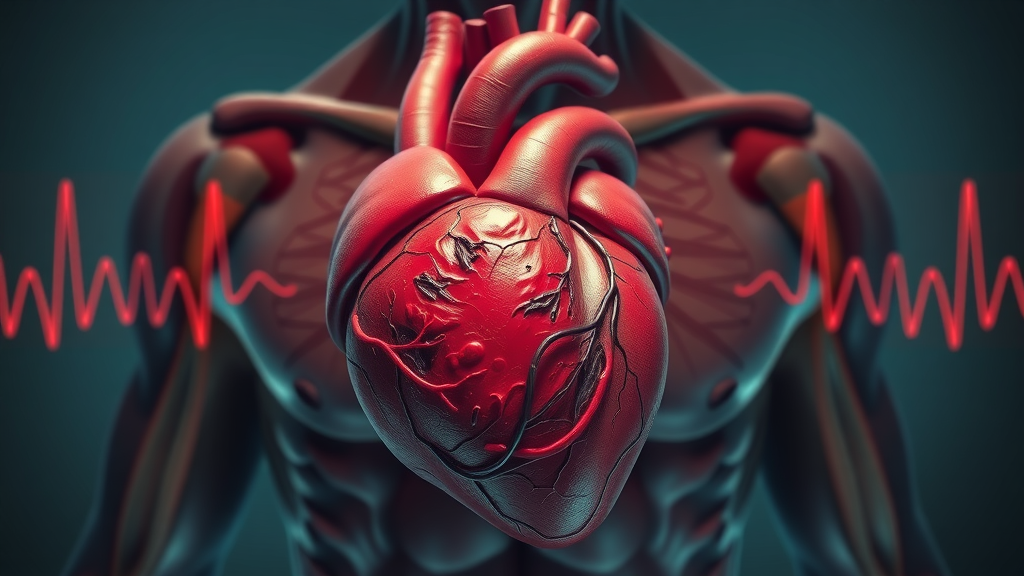
Heart disease is the single most significant health issue facing men across the globe. In the United States alone, it’s the leading cause of death , with high blood pressure and high cholesterol being two major risk factors. What makes heart disease particularly dangerous for men is its ability to progress with no clear symptoms until a serious event, like a heart attack, occurs. Regular screening for blood pressure, cholesterol levels, and lifestyle assessments at a medical center are essential measures every man should take to identify problems early.
The insidious nature of heart disease is compounded when men avoid regular checkups. Blood vessels may silently accumulate plaque, limiting blood flow and increasing the risk of heart attacks and strokes. Learning to recognize subtle signs, such as persistent fatigue, shortness of breath, or unexplained chest pain, can mean the difference between early intervention and life-threatening emergencies. Proactively addressing these issues with your primary care provider can help reduce your risk and potentially save your life.
Early identification and control of high blood pressure (hypertension) dramatically reduce the risk of catastrophic events. Simple lifestyle changes—like healthier eating, staying physically active, and managing stress—are as important as medical treatments. Understanding your personal and family history with cardiovascular disease empowers you to make informed choices and break the cycle of preventable health problems.
Prostate Cancer and the Male Reproductive System: Early Detection Matters
Recognizing Symptoms of Prostate Cancer and Prostate Gland Health
- Be aware of signs, such as difficulty urinating, frequent urges to go, or discomfort, which may suggest changes in the prostate gland. Recognizing these early may save your life.
- Risk factors include age, family history, and certain racial backgrounds; leading medical centers recommend annual screenings for men over 50 or earlier if higher risk.
- Consult with your primary care provider about PSA (prostate-specific antigen) testing and digital rectal exams to detect prostate cancer early.
Prostate cancer is one of the most common cancers and a significant health problem for men, especially as they age. While benign prostatic hyperplasia (BPH) and prostate cancer often share symptoms, only precise medical assessment can differentiate the two. Proactive screening remains the most effective tool for early detection and minimizing severe side effects or complications.
Routine discussions with your doctor about your prostate gland health are crucial. Emerging screening methods, including PSA testing and imaging, can catch cancer at an earlier, more treatable stage. Men with a family history of prostate cancer or who belong to higher-risk populations should be particularly vigilant.
Early detection does not only improve survival rates but often results in less invasive treatments and fewer lasting side effects. Integrating regular screening as part of comprehensive men's health management can reduce anxiety, facilitate quick intervention, and offer peace of mind for men and their loved ones.
Testicular Cancer—A Common Cancer in Young Men
- Testicular cancer most commonly affects younger men, aged 15 to 35, making self-examination and prompt medical evaluation critical components of health awareness.
- Look for painless lumps, swelling, or changes in the shape or feel of the testicles—a healthcare provider can quickly distinguish between common and concerning findings.
- Early intervention leads to highly successful treatment outcomes, underlining the importance of monthly self-checks and regular doctor visits.
Although relatively rare compared to prostate cancer, testicular cancer is the most common cancer in younger men. It’s crucial to become comfortable with self-examinations and report any irregularities immediately to your healthcare provider. Medical centers emphasize that early detection greatly increases the odds of successful treatment and full recovery.
Men often delay seeking help due to embarrassment or lack of knowledge, but waiting can mean facing more invasive treatments or significant complications. Making self-checks a normal part of your health routine can help you catch issues before they escalate, provide reassurance, and empower you to take charge of your reproductive system health.
Fostering open conversations between healthcare providers and patients encourages prompt action. Your doctor should be your ally in navigating both common and rare issues related to the male reproductive system, ensuring stigma and fear never delay necessary care.
Lung Cancer: The Overlooked Common Men's Health Issue
Key Risk Factors for Lung Cancer in Men
- Smoking: The primary risk factor for lung cancer, especially among older men. Even with cessation, prior smokers still carry increased risks, although they diminish over time.
- Occupational Hazards: Exposure to asbestos, radon, and other chemicals in certain workplaces markedly increases lung cancer risk, making workplace safety protocols essential.
- Genetics: Family history can impact susceptibility, and knowing your genetic risk should inform decisions around screening and lifestyle.
Lung cancer in men can often fly under the radar until it reaches advanced stages, which is why understanding and managing risk factors is so important. Men with a history of smoking—whether currently or in the past—should prioritize discussions about screening with their primary care provider. Occupational risks, such as working with hazardous materials, also necessitate enhanced awareness and regular health checks.
Early symptoms, like chronic cough, shortness of breath, or unexplained weight loss, are often mistaken for other respiratory illnesses. That's why a proactive approach—incorporating both self-awareness and professional medical guidance—is essential to catching problems before they worsen.
Improved workplace standards, family medical history discussions, and smoking cessation programs can all play a part in reducing lung cancer rates among men. By recognizing how these risk factors intersect, men can take critical preventive action and drastically improve their health outcomes.
| Symptom | Lung Cancer | Other Respiratory Illnesses |
|---|---|---|
| Chronic cough | Very common, persistent | Can be present, usually temporary |
| Shortness of breath | Gradual onset, worsens over time | Associated with acute events like infections or allergies |
| Chest pain | Possible, often dull and persistent | Usually sharp and resolves as infection clears |
| Unintended weight loss | Common in advanced cancer | Rare |
| Coughing up blood | Concerning sign in advanced cases | Rare, more common in severe infections |

Mental Health: Breaking the Stigma Around Common Men's Health Issues
Depression, Anxiety, and Suicide in Men and Women
- Social stigma often prevents men from discussing mental health issues, which can delay diagnosis and treatment for depression or anxiety.
- Primary care providers play a pivotal role in screening for mental health symptoms and referring patients to appropriate support.
- Encouraging open dialogue about mental health can significantly reduce suicide rates and improve long-term outcomes for both men and women.

Mental health challenges represent a hidden epidemic among men. Conditions like depression and anxiety are often masked by cultural norms that encourage stoicism and discourage emotional vulnerability. This results in lower diagnosis rates, missed treatment opportunities, and, tragically, higher rates of suicide compared to women.
Men are less likely to seek help for mental health disorders due to stigma, fear of judgment, or misunderstanding about symptoms. Routine mental health screenings and honest conversations with your primary care provider or supportive friends and family can help break this silence. It’s vital to address mental health as seriously as physical health to ensure early intervention and comprehensive care.
Fortunately, awareness is growing, and more resources are available than ever. Support groups, counseling services, and digital mental health platforms have made finding help easier and more private for men struggling in silence. Open dialogue not only saves lives but enriches relationships, work performance, and overall well-being for men and women alike.
Erectile Dysfunction and the Male Reproductive System—A Marker for Broader Health Problems
Erectile Dysfunction as an Indicator of Cardiovascular Disease
- Erectile dysfunction may be an early sign of problems with blood vessels, pointing to significant underlying health problems such as heart disease or high blood pressure.
- Changes in sexual function, libido, or persistent difficulties warrant a prompt visit to a primary care provider who can delve deeper into potential causes and treatments.
- Don’t ignore erectile dysfunction—addressing it can not only restore sexual health but also uncover and help prevent serious cardiovascular disease.
"Erectile dysfunction can be the first warning sign of heart problems in men," — Mayo Clinic
Erectile dysfunction (ED) is more than an inconvenience—it's a red flag for wider health issues. ED frequently results from poor blood flow due to blockages in blood vessels, often the same issues leading to heart attacks and stroke. For this reason, many experts suggest considering ED as an important symptom that warrants comprehensive medical evaluation, particularly for cardiovascular disease.
Addressing erectile dysfunction with your physician is critical. They can investigate your heart health, evaluate blood pressure, and review lifestyle habits that may influence both sexual and overall well-being. Ignoring these signs prolongs the risk and could lead to avoidable complications down the road.
Beyond physical causes, erectile dysfunction may also signal mental health challenges, such as anxiety or depression. Open conversations and integrated care between primary care providers and mental health professionals ensure a complete approach to improving the male reproductive system ’s health and quality of life.
Primary Care and Early Detection: Your Best Defense Against Health Issues
How Regular Visits to a Medical Center Prevent Severe Men's Health Problems
- Annual checkups, blood pressure monitoring, and lab work are the foundation of proactive health management, enabling early detection of developing problems.
- Medical centers are well-equipped to provide comprehensive screenings tailored to men’s evolving health needs throughout life.
- Discussing family history and personal risk factors with a primary care provider keeps you one step ahead of common men’s health issues.
The linchpin of long-term health is a proactive relationship with your primary care provider. The earlier conditions like high blood pressure, high cholesterol, or early-stage cancers are identified, the greater chance they can be effectively managed or cured. Medical centers serve as critical hubs for annual screenings and continuous monitoring of blood vessels, reproductive system health, and mental well-being.
Investing in primary care protects both your current and future health. Even if you feel well, regular checkups detect silent problems that would otherwise escape notice. The most common men's health issues are largely preventable or manageable if caught early—regular data gathering, communication, and trust in your doctor are essential tools for a healthier, longer life.
Men should also take advantage of tailored screening schedules recommended by professionals. This not only safeguards your health but also sets a positive example for loved ones, helping to start a cycle of prevention instead of emergency intervention.
| Age Range | Health Issue | Recommended Screening | Frequency |
|---|---|---|---|
| 20-39 | High blood pressure, testicular cancer | Blood pressure check, self-exam | Annually |
| 40-49 | Heart disease, prostate gland issues | Blood pressure/cholesterol, PSA, digital rectal exam | Annually |
| 50+ | Prostate cancer, colorectal cancer, cardiovascular disease | PSA, colonoscopy, EKG, blood tests | Annually/As recommended |
Lifestyle Factors and Preventing Common Men's Health Issues
- Healthy Diet: A diet rich in fruits, vegetables, whole grains, and lean proteins helps control weight and blood pressure, reducing the risk of heart disease and cancer.
- Regular Exercise: At least 150 minutes of moderate activity per week can lower blood pressure, improve mental health, and aid in disease control and prevention.
- Tobacco and Alcohol Moderation: Quitting smoking and limiting alcohol intake can prevent lung cancer, heart attacks, and a range of chronic health problems.
- Sleep Hygiene: Consistent, restorative sleep is linked to lower stress, healthier cardiovascular function, and improved immune response.
- Stress Management: Techniques such as mindfulness, yoga, and counseling help manage anxiety and reduce risk factors for high blood pressure and heart disease.

Answers to People Also Ask About Common Men's Health Issues
What are the top 3 men's health issues?
- The top 3 men's health issues are cardiovascular disease, prostate cancer, and mental health disorders such as depression and anxiety. These conditions are not only common but have serious consequences if ignored, emphasizing the need for awareness and early detection.
What do men suffer from the most?
- Men most frequently suffer from heart disease, high blood pressure, lung cancer, and mental health challenges. These health problems can cut lives short or severely diminish quality of life if left unaddressed, underscoring the importance of regular screenings and honest communication with healthcare providers.
What is the #1 health threat to men?
- Cardiovascular disease is the number one health threat and leading cause of death among men in the United States. Its risk factors—such as high blood pressure, high cholesterol, and smoking—are often modifiable, making prevention and early intervention vital for men's health.
Which disease is most common in men?
- Heart disease is the most common chronic health problem affecting men, followed by various cancers and lifestyle-related conditions. Staying informed and engaging in regular checkups can minimize risk and promote early treatment.
Frequently Asked Questions About Common Men's Health Issues
- What are the signs of major men's health problems? Look for persistent chest pain, changes in urination or sexual function, unexplained fatigue, or mood changes. Don’t ignore unusual symptoms—seek advice from your primary care doctor.
- How often should men see a primary care doctor? Men should see a primary care provider at least once a year for regular screenings and whenever they notice new or concerning symptoms.
- What can men do to lower their risk for common health issues? Adopt a healthy lifestyle, maintain a healthy weight, avoid tobacco, limit alcohol, get regular exercise, manage stress, and keep up with recommended screenings based on age and family history.
Essential Key Insights for Tackling Common Men's Health Issues
- Early detection and screening can save lives.
- Addressing mental health is as vital as physical health.
- Lifestyle changes significantly decrease risk of major health problems.
- Regular primary care is essential for prevention and timely intervention.
Take Charge: What Every Man Should Do Today to Address Common Men's Health Issues
- Commit to regular checkups, prioritize both your physical and mental health, start making lifestyle improvements today, and encourage the men in your life to act before common men's health issues become emergencies.
Now is the time to take charge of your well-being—book a checkup, share this information, and start building habits that protect your life and the lives of those you care about.
Understanding and addressing common men’s health issues is vital for promoting longevity and well-being. For a comprehensive overview, the article “Men’s Health: The Top Concerns and How to Address Them” provides valuable insights into prevalent conditions and preventive measures. ( intelligentliving.co ) Additionally, “Men’s Health Issues That Are More Common Than You Might Realize” sheds light on often-overlooked health challenges and offers guidance on proactive management. ( drbazel.com ) By exploring these resources, you can gain a deeper understanding of men’s health concerns and learn practical steps to maintain optimal health.


Write A Comment