 Add Row
  Add
Add 


Did you know that nearly 300,000 women die every year from complications of pregnancy and childbirth—despite most cases being preventable? For expecting parents, being informed and prepared is more than peace of mind—it's a matter of health and safety for both mother and baby. In this detailed guide, you'll discover how choices during pregnancy and childbirth can mean the difference between routine recovery and serious risk, all while busting myths and laying out the realities that every family should know.
The Reality of Pregnancy and Childbirth: Surprising Facts Every Family Should Know
- The main risks in pregnancy and childbirth
- How choices about vaginal delivery, cesarean birth, and fetal monitoring influence outcomes
- Reducing maternal mortality and protecting mother and baby
- Expert advice and frequently asked questions
- Important mistakes to avoid for a safer birth experience
"Nearly 300,000 women die every year from complications of pregnancy and childbirth worldwide, despite most being preventable." – World Health Organization

Understanding Pregnancy and Childbirth: From Conception to Delivery
Pregnancy and childbirth mark a transformative period for every family. From conception, a woman’s body undergoes incredible changes: hormonal surges, organ shifts, and new physical demands. By the end of pregnancy, the uterus expands to many times its original size, nourishing and protecting the growing baby. Pregnancy and childbirth involve three main trimesters, each with unique milestones and symptoms, such as morning sickness, maternity weight gain, and crucial fetal organ development. Education about these phases ensures both mother and baby’s health is prioritized throughout the journey.
As labor begins and the pregnancy approaches its end, the body prepares naturally for birth. The cervix becomes soft and then dilates, while contractions signal that it’s time for the baby to be born . Understanding this process helps expecting parents avoid panic and recognize normal progression versus warning signs. However, complications like preeclampsia or fetal distress can arise unexpectedly, so it’s essential for pregnant women to stay in close contact with health care providers for monitoring and support.
Key Stages and Physical Changes in Pregnancy and Childbirth
The journey of pregnancy and childbirth can be divided into several key stages, each accompanied by profound changes. In the first trimester, conception triggers hormonal changes, which support the implantation of the embryo and development of vital structures. The second trimester brings more visible signs—like the expansion of the abdomen and more noticeable fetal movement. By the third trimester, both anatomical and emotional preparations intensify, as the body braces for labor. The cervix is fully dilated at ten centimeters, signaling readiness for the baby to travel through the birth canal, marking the transition from pregnancy to active labor.
During childbirth itself, the progression through latent, active, and transitional labor stages prepares the mother's body for delivery. Each phase presents unique challenges, such as pain management and fatigue. The importance of monitoring blood pressure, fetal heart rate, and signs of infection cannot be overstated, as these indicators guide care providers in determining when medical support is needed. Staying alert to these changes gives families a sense of control and involvement in the birthing process.
Common Expectations vs. Surprising Realities in Pregnancy and Childbirth
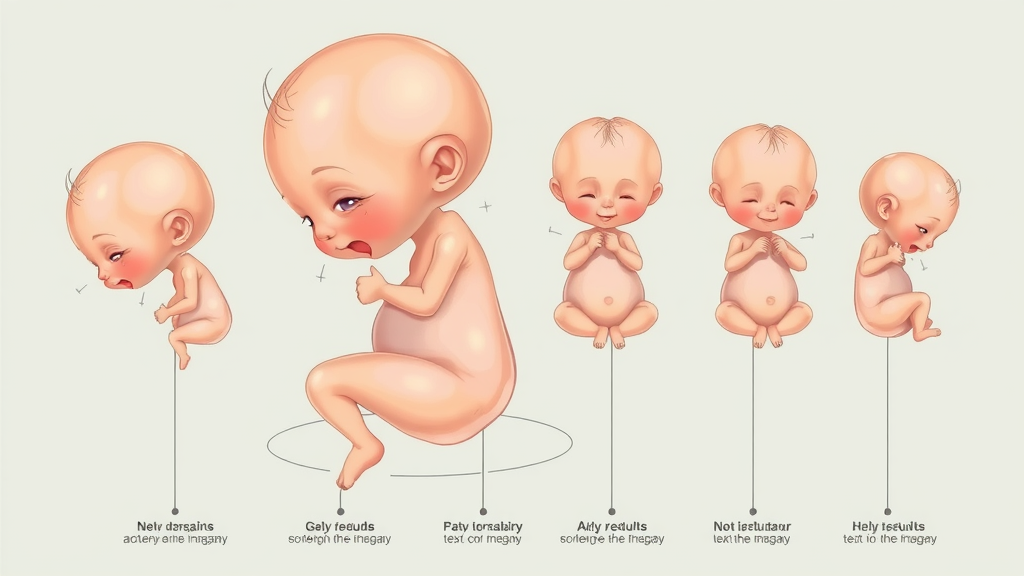
Many pregnant women expect pregnancy and childbirth to unfold in a predictable pattern, guided by anecdotes or pop culture depictions. However, the reality often diverges. Common beliefs—such as labor beginning with a dramatic water break or that giving birth is always quick—don’t match average experiences. Some deliveries last hours or even days, requiring stamina and strong support systems. It’s also crucial to recognize that medical interventions, like cesarean delivery, may become necessary for reasons outside anyone’s control, emphasizing the need for flexibility.
Another expectation is that motherhood’s challenges stop after the baby is born, but postpartum recovery can include physical discomfort, emotional upheaval, and the need for continued health monitoring. Misunderstanding—or overlooking—these realities can lead to disappointment or even health complications for mother and baby. By staying informed and keeping an open dialogue with care providers, families can better prepare for these inevitable realities and reduce risk of complications.
Vaginal Delivery vs. Cesarean Birth: Critical Mistakes to Avoid in Pregnancy and Childbirth
| Delivery Type | Pros | Cons | Common Mistakes |
|---|---|---|---|
| Vaginal Delivery | - Shorter recovery time - Lower risk of surgical complications - Baby receives microbiome exposure |
- Potential for severe tearing - Pelvic floor issues - Not always possible due to medical reasons |
- Misjudging readiness - Ignoring prolonged labor - Poor communication with care team |
| Cesarean Birth | - Necessary for high-risk situations - Can be scheduled - Avoids birth canal trauma for some babies |
- Longer recovery - Higher infection risk - Possible breathing difficulties for baby |
- Elective C-section without medical need - Delaying urgent C-section - Inadequate post-surgical care |
Vaginal Birth: Understanding Its Risks and Benefits During Pregnancy and Childbirth
Vaginal birth is the preferred method of delivery in most uncomplicated pregnancies because it generally offers a shorter recovery and lower risks of infection compared to surgical approaches. Benefits range from a faster physical recuperation for mothers to the transfer of beneficial bacteria to the newborn during passage through the birth canal . These bacteria play an early role in the baby’s immune development. For many mothers, giving birth vaginally also presents fewer breathing issues for the baby and less intervention during the postpartum period.
Despite its advantages, vaginal delivery is not without potential complications. Risks include tearing, excessive bleeding, and sometimes, emergency interventions if labor fails to progress or fetal distress is detected. Ignoring warning signs, assuming labor will proceed naturally without monitoring, or delaying necessary medical intervention can lead to avoidable complications. Maintaining regular discussions with care providers, understanding what to expect as the cervix is fully dilated, and being open to changing plans are key to a safer birthing experience.
Recognizing When Cesarean Birth is Necessary for Pregnancy and Childbirth
Cesarean birth , or C-section, is a surgical procedure involving incisions in the abdomen and uterus to deliver the baby. These are performed for several medical reasons: if the baby is in distress, if labor isn’t progressing, or if there are issues such as placenta previa, umbilical cord problems, or prior uterine surgery. While some families might prefer a scheduled cesarean for convenience, it’s important to understand that unnecessary surgery brings higher risks of infection, longer hospital stays, and complications in future pregnancies. Cesarean births can be life-saving when medically indicated but should not be chosen lightly.
Critical mistakes to avoid include resisting a recommended caesarean in emergency scenarios or failing to follow after-care instructions, risking post-surgical infections or blood clots. Understanding the difference between elective and emergency cesarean and maintaining close communication with your obstetrician can reduce health risks for both mother and baby.
- Common Mistakes in Choosing Birth Methods:
- Misjudging readiness for vaginal delivery
- Delaying or refusing medically advised cesarean birth
- Ignoring warning signs during labor
- Ineffective communication with the birth team

Maternal Death and Maternal Mortality: Preventable Risks During Pregnancy and Childbirth
"Every maternal death is a tragedy. Most are preventable when families, providers, and systems work together." – Global Maternal Health Initiative
Maternal death occurs when a woman dies as a result of pregnancy-related complications during pregnancy, childbirth, or within the postpartum period. Despite advances in health care, maternal mortality remains alarmingly high in many parts of the world, with the majority of deaths considered preventable. In places like the United States and other developed countries, the rate is higher than many expect due to disparities in access to care, chronic health conditions, and lack of early intervention. Understanding the risks associated with pregnancy and childbirth, and how to act quickly, can save lives.
Major maternal deaths result from hemorrhage, infections, high blood pressure (such as preeclampsia and eclampsia), obstructed labor, and unsafe abortions. Consistent prenatal care, skilled assistance during delivery, and accessible emergency services dramatically reduce the risk of maternal death and promote more positive outcomes for both mother and baby.
Major Factors Contributing to Maternal Mortality in Pregnancy and Childbirth
The leading causes of maternal mortality include severe bleeding after childbirth, infections (especially post-delivery), high blood pressure disorders, and complications from unsafe or delayed medical interventions. Inadequate access to skilled health care workers and late recognition of warning signs further compound these risks. Pregnant women with pre-existing conditions, such as diabetes or heart disease, are at much higher risk and require specialized, proactive monitoring throughout pregnancy and childbirth.
Social determinants—like poverty, lack of education, cultural barriers, and limited access to quality maternity care—greatly increase the risk of maternal deaths globally. Improvements in health systems and better outreach, especially to marginalized communities, can make a substantial difference in saving lives.

How to Reduce Maternal Deaths: Best Practices in Pregnancy and Childbirth
Preventing maternal death starts with early, consistent prenatal care, robust emergency response systems, and the empowerment of pregnant women to recognize symptoms and seek help. Practices such as routine monitoring of blood pressure, quick assessment and management of bleeding, and infection control protocols—all delivered by trained care providers—are central to positive health outcomes. Humanizing maternity care, involving family and support circles, and offering appropriate resources for postpartum recovery round out a holistic approach to making pregnancy and childbirth safer for everyone involved.
Programs that encourage continual education for pregnant women about warning signs, birth planning, and postpartum care help reduce the likelihood of preventable complications. Open, respectful communication between families and health care teams builds trust and encourages swift action when concerns arise, leading to a lower rate of maternal deaths and improved overall outcomes.
Mother and Baby Safety: Avoiding Complications During Pregnancy and Childbirth
Expectant families should prioritize mother and baby safety at every step of the pregnancy and childbirth journey. This includes learning to monitor symptoms, understanding when to call a provider, and taking steps to prevent infection and manage chronic conditions such as hypertension or diabetes. Recognizing subtle shifts in fetal movement or changes in physical well-being can provide critical early warnings and allow for timely intervention, reducing the risk of complications for both mother and baby.
Maternal and infant health are intertwined. Any complication that goes unnoticed can jeopardize both lives. Whether it's routine monitoring at home or regular check-ups at a clinic, maintaining a consistent, proactive approach ensures that warning signs are never missed, offering the greatest chance for a healthy outcome.
Warning Signs Every Pregnant Woman Should Know
It's crucial for every pregnant woman to be aware of symptoms that require immediate medical attention. Key red flags include severe headaches, sudden swelling of hands or face, vision changes, high blood pressure, persistent abdominal pain, heavy bleeding, or reduced fetal movement. Symptoms like shortness of breath, persistent vomiting, fever, and signs of infection should not be ignored, as immediate evaluation can prevent life-threatening complications. Staying informed empowers mothers to advocate for themselves and their babies, and could mean the difference between a manageable issue and a crisis.
- Key Safety Tips:
- Monitoring blood pressure and fetal movement
- Recognizing symptoms of preeclampsia and gestational diabetes
- Infection prevention strategies for pregnancy and childbirth

The Role of Fetal Monitor in Safe Pregnancy and Childbirth
The fetal monitor is an essential tool in modern maternity care, tracking the baby’s heart rate and uterine contractions during labor and delivery. It provides real-time feedback that allows care providers to quickly detect any signs of fetal distress. If the heart rate shows unexpected changes, it may prompt interventions like repositioning the mother, providing supplemental oxygen, or even recommending an urgent cesarean delivery. Continuous fetal monitoring is especially vital for high-risk pregnancies or when labor isn’t progressing as planned.
Using a fetal monitor doesn’t guarantee a complication-free birth, but it significantly improves health outcomes by ensuring both mother and baby are closely observed throughout labor. Knowing how and why these devices are used empowers expectant families to ask the right questions and make informed decisions together with their health care team.

Giving Birth: Busting Myths and Facing Realities in Pregnancy and Childbirth
Myths about giving birth are common, leading to confusion or misplaced confidence during one of life’s most intense transitions. For example, some believe that pain during labor can always be managed by a single method, or that every labor will progress in a set series of stages. Families need to dispel these misconceptions to better prepare for the range of experiences. Pain responses, labor duration, and emotional reactions vary greatly from person to person; expecting a singular narrative can lead to disappointment or anxiety.
Facing the realities of pregnancy and childbirth involves understanding that preparation, flexibility, and open lines of communication with care providers are essential. Emphasizing postpartum care and addressing emotional as well as physical needs will strongly influence how the birth experience is remembered and how recovery unfolds for both mother and baby.
What Expecting Mothers Need to Know About Labor and Delivery
Preparation for labor and delivery goes well beyond hospital bags and due dates. Expecting mothers should familiarize themselves with the stages of labor, from early contractions through the moment the cervix is fully dilated and the baby is born. Seeking information about different pain relief options—like epidurals, nitrous oxide, or natural methods—empowers women to make choices best suited to their needs. Developing a birth plan, discussing it with care providers, and remaining flexible is crucial, as labor rarely follows a script.
- Labor and Delivery Mistakes:
- Not asking enough questions about pain relief options
- Underestimating postpartum care needs
- Failing to prepare a birth plan

Special Considerations for Pregnant Women: High-Risk Pregnancy and Childbirth Scenarios
Not all pregnancies follow a routine course. High-risk scenarios can be due to preexisting medical conditions (like hypertension, diabetes, or heart disease), a mother’s age, multiple pregnancies, or complications detected during routine screening. These situations require more frequent monitoring, specialized care, and sometimes early interventions to ensure safety for both mother and baby. Expectant families facing these challenges should maintain open, regular communication with their health care teams and make contingency plans for emergencies, including immediate hospital visits if warranted.
Understanding the extra risks and the strategies for managing them—ranging from bed rest to specialized medication regimens or earlier delivery—empowers pregnant women to advocate for their best outcomes. A strong partnership with experienced care providers underlies every successful high-risk pregnancy and childbirth story.
When to Seek Medical Attention During Pregnancy and Childbirth
Deciding when to seek medical attention can be one of the most challenging decisions during pregnancy and childbirth. Persistent pain, heavy vaginal bleeding, severe headaches, changes in the baby’s movement, or leakage of fluids should trigger contact with a provider. In many cases, acting early can prevent outcomes like preterm birth or stillbirth. Pregnant women should always trust their instincts—when in doubt, calling or visiting a health professional is the safest course of action for both mother and baby.
Immediate medical attention is also required for signs of preeclampsia (such as vision changes, rapid swelling, or high blood pressure), suspected infection, or if the baby’s heart rate drops significantly, as detected by fetal monitoring. A well-informed mother, supported by an attentive care team, is less likely to overlook these vital warning signs.
How Medical Teams Manage Emergency Complications in Pregnancy and Childbirth
Medical teams are trained to respond quickly and decisively in emergencies involving pregnancy and childbirth. Whether it’s managing postpartum hemorrhage, performing an emergency cesarean, or stabilizing a mother experiencing seizure or eclampsia, coordination and preparedness are key. Immediate assessment, use of resuscitative drugs, and advanced monitoring technology all contribute to saving lives in critical moments. Pregnant women and families should try to understand common protocols and ask questions about how their birth team will address complications—proactive partnerships enable quicker, more effective responses under pressure.

Global Perspectives: How Maternal Deaths Differ Across Regions in Pregnancy and Childbirth
| Country | Maternal Mortality Rate (per 100,000 births) | Key Contributing Factors |
|---|---|---|
| United States | 23 | Access disparities, chronic health conditions, delayed care |
| Sweden | 4 | Universal health care, prompt intervention, comprehensive prenatal care |
| Nigeria | 512 | Resource limitations, lack of skilled providers, cultural barriers |
As these numbers reveal, location dramatically influences outcomes of pregnancy and childbirth. Global efforts to reduce maternal deaths center on increasing access to health care, education, and emergency services—proven strategies for boosting the safety of mother and baby worldwide.
Frequently Overlooked Aspects of Pregnancy and Childbirth
- Checklist:
- Nutritional needs for pregnancy and childbirth
- Mental and emotional preparation
- Importance of postpartum follow-up visits
Nutrition, mental health, and follow-up visits are often sidelined but fundamentally important for recovery and long-term well-being after giving birth. Proper diet supports both baby’s development and maternal healing. Attending to emotional needs—and seeking support when overwhelmed—reduces risk of postpartum depression or anxiety. And never miss postpartum visits: many silent complications, from infections to blood clots, can be caught during these essential check-ups.
This expert-led educational video explains how effective planning improves safety and outcomes for mothers and babies during pregnancy and childbirth .
Gain insights from medical professionals about the most common mistakes in pregnancy and childbirth —and how to avoid them.
People Also Ask: What is the study of pregnancy and childbirth?
The study of pregnancy and childbirth is known as obstetrics , a specialized branch of medicine focused on the care of women during pregnancy, labor, and the postpartum period.
People Also Ask: What does giving birth feel like?
Giving birth involves intense physical sensations that can range from discomfort to severe pain, depending on factors like labor duration, pain management, and individual pain tolerance. Mothers often describe a mix of pressure, stretching, and contractions followed by profound relief.
People Also Ask: What is the 5 5 1 rule for pregnancy?
The 5-1-1 rule is a guideline used to help women recognize when to go to the hospital during labor: contractions are 5 minutes apart, last for 1 minute, and have continued for at least 1 hour.
People Also Ask: What are four types of pregnancy?
The four main types of pregnancy are intrauterine (normal), ectopic (outside the uterus), molar pregnancy (abnormal tissue growth), and multiple pregnancy (carrying more than one fetus).
Frequently Asked Questions on Pregnancy and Childbirth
-
How can I best prepare for pregnancy and childbirth?
Preparation involves learning about the processes of pregnancy and childbirth, attending prenatal classes, following a nutritious diet, developing a birth plan, deciding on pain relief choices, and building strong communication lines with your health care team. Creating a supportive environment at home and gathering reliable information makes a significant positive difference. -
What are warning signs of problems during pregnancy and childbirth?
Warning signs include severe pain, heavy vaginal bleeding, persistent headaches, vision changes, high blood pressure, significant swelling, fever, or a sudden drop in fetal movement. Promptly reporting these symptoms to your health care provider can help prevent complications and improve outcomes for both mother and baby. -
What steps can reduce risks for mother and baby?
Regular prenatal check-ups, following your provider’s advice, being aware of warning signs, and maintaining healthy habits such as proper nutrition, hydration, and moderate exercise all help minimize risks. Choosing a trusted provider and never hesitating to ask questions or voice concerns is key to a safe pregnancy and childbirth journey.
Summary: Key Takeaways for a Safer Pregnancy and Childbirth Experience
- Understanding and planning for pregnancy and childbirth reduces risk
- Early intervention prevents many complications
- Open communication with healthcare providers is crucial
- Regular prenatal care ensures better outcomes for mother and baby
Taking proactive steps today safeguards the health and well-being of both mother and baby throughout every stage of pregnancy and childbirth .
To enhance your understanding of pregnancy and childbirth, consider exploring the following authoritative resources:
-
“Your Pregnancy and Childbirth: Month to Month, Seventh Edition” by the American College of Obstetricians and Gynecologists (ACOG) offers comprehensive, month-by-month guidance on pregnancy, labor, and postpartum care, including updated information on genetic testing and pain relief during labor. ( acog.org )
-
“Keeping Well During Pregnancy and After Childbirth” by the World Health Organization (WHO) provides essential tips and information to maintain health during and after pregnancy, covering topics such as physical activity, mental well-being, and recognizing danger signs. ( who.int )
These resources offer valuable insights to help you navigate the complexities of pregnancy and childbirth, ensuring informed decisions for the health and safety of both mother and baby.




Write A Comment