Add Row
Add Element
cropper
update
PractitionersOfHealth - a CapidHouser.com media site
update
Add Element
  • Home
  • Categories
    • dentistry
    • cosmetics
    • opticians
    • physiotherapy
    • chiropractor
    • osteopathy
    • weight loss diets
    • Women's Health
  • Massage Therapy
  • Yoga Therapy
  • diet and nutrition
  • reflexology
  • featured business profiles
  • General Health & Wellness
July 22.2025
2 Minutes Read

Millennials and Gen Z Redefine Beauty Standards in Natural-Looking Plastic Surgery

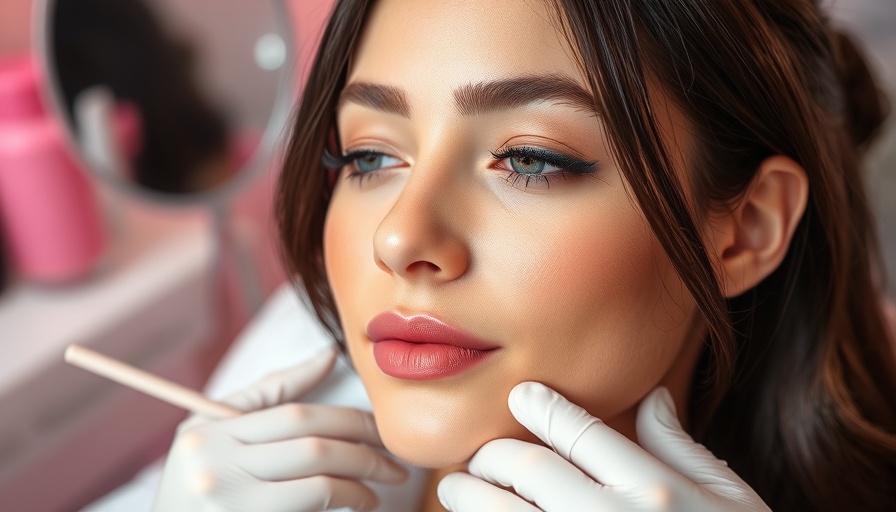
Young woman experiencing natural-looking plastic surgery procedure.

Shifting Beauty Standards: Why Subtlety is In

As the younger generations step into their own identities, an intriguing trend has emerged in the world of plastic surgery. No longer are procedures geared towards stark transformations; instead, Millennials and Gen Z are leading the charge toward natural results. This shift is not merely a fleeting trend but an evolution of beauty standards that embraces realism and subtlety.

The Rise of Non-Invasive Options

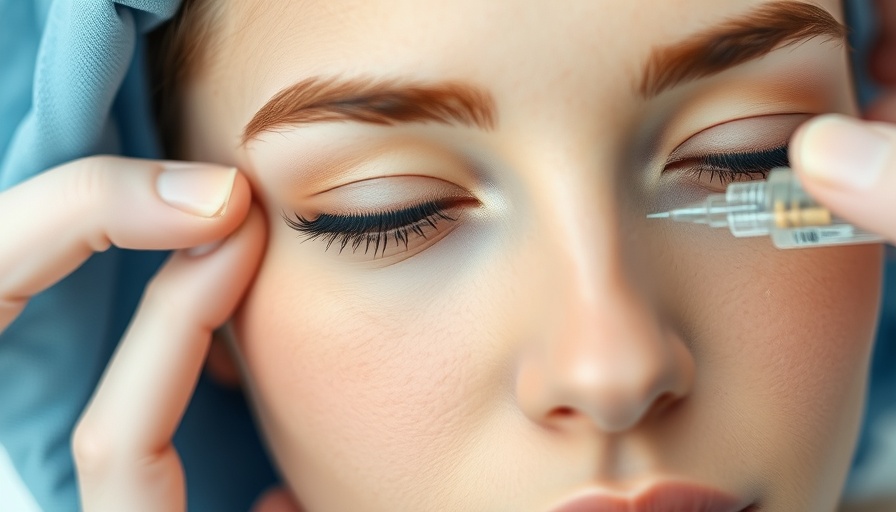
Innovative procedures like baby Botox and mini facelifts are becoming increasingly popular among those in their 20s to 40s. These treatments offer nuanced results that enhance one's appearance without the downtime associated with traditional surgeries. Dr. Meegan Gruber, founder of Gruber Plastic Surgery, emphasized the importance of opting for procedures that aim to "improve rather than change." This philosophy resonates deeply with patients who desire a boost in their natural beauty without looking drastically different.

Embracing Authenticity: A Departure from Filters

Gone are the days when filters and heavy editing defined our online personas. Today's youth are gravitating toward authenticity, openly discussing their cosmetic choices and celebrating their individuality. This cultural shift reflects a larger societal trend where imperfections and unique traits are acknowledged and cherished. Patients are increasingly finding value in procedures that optimize their features rather than mask them, leading to a demand for straightforward and genuine outcomes.

Making Informed Choices

The modern patient is decidedly more aware and educated about their options. With access to information at their fingertips, they are proactive in seeking treatments and understanding what works best for their needs. Whether it's searching for the "best cosmetic surgeon for face lifts" or understanding the nuances of "non-surgical facial rejuvenation options," today's patients come prepared, savvy, and ready to tailor their experiences.

What Does This Mean for Parents Seeking Cosmetic Solutions?

This new norm in cosmetic surgery can have significant implications for families. Parents searching for trustworthy options for their children—be it for cosmetic facial procedures or significant reconstructive surgeries—can find comfort in knowing that the focus is shifting towards a more personalized, caring approach. The rising trend prioritizes safety, education, and real results over superfluous transformations.

In conclusion, as Millennials and Gen Z redefine plastic surgery ideals, the conversation around beauty continues to evolve. Their desire for natural-looking enhancements, authenticity, and real discussions about procedures represent a refreshing shift in self-care. If you’re considering these options for yourself or a loved one, take the time to explore trusted resources and clinics that align with this new philosophy.
cosmetics

20 Views

0 Comments

Write A Comment

*
*
Related Posts All Posts
02.07.2026

RelabotulinumtoxinA: A Breakthrough in Anti-Wrinkle Treatment Options

Update FDA Moves to Approve Innovative Anti-Wrinkle Treatment In a significant development in the world of cosmetic treatments, the US Food and Drug Administration (FDA) has accepted Galderma’s Biologics License Application (BLA) resubmission for RelabotulinumtoxinA. This neuromodulator is designed for the temporary improvement of moderate-to-severe frown lines (glabellar lines) and crow’s feet in adults. As cosmetic procedures gain popularity, RelabotulinumtoxinA aims to meet the rising demand for effective and lasting solutions. The Science Behind RelabotulinumtoxinA Developed using Galderma’s proprietary PEARL Technology, RelabotulinumtoxinA promises a rapid onset of action, with results visible as early as day one. In addition, its efficacy can last up to six months. The innovative manufacturing process ensures the preservation of molecular integrity, resulting in a product that is not only effective but also simpler to use. This new formulation is ready-to-use—eliminating the need for cumbersome reconstitution—making it an attractive option for busy practices. Clinical Insights into Treatment Efficacy Data from the extensive READY clinical trial program, encompassing four phase III trials with over 1,900 participants, have shown that RelabotulinumtoxinA delivers consistent results across varying severity levels of wrinkles. The trials also highlighted improvements in patients’ psychological well-being, underscoring the broader impact of aesthetic treatments. It’s not just about looking good; feeling good about oneself plays a crucial role in mental health. The Global Landscape of Neuromodulators Having already gained approval in more than 20 countries, including those in Europe and Asia, the forthcoming approval in the US could position RelabotulinumtoxinA as a formidable player in a highly competitive market. As various neuromodulators vie for attention, the introduction of a faster-acting, longer-lasting option could reshape consumer expectations and treatment preferences. Why This Matters for Consumers For individuals considering cosmetic treatments, understanding the advancements in neuromodulators like RelabotulinumtoxinA can empower better decision-making when seeking solutions. Whether you or a family member are exploring options for aesthetic improvement, advancements like these can significantly influence your choices. Your Path Forward in Cosmetic Treatments As the landscape of cosmetic surgery evolves, staying informed about the newest products and their potential impacts can help you make choices that align with your personal or family values regarding health and appearance. Consult with a trusted cosmetic surgeon who is aware of the latest innovations, ensuring that you receive the most effective and appropriate care for your needs.

02.06.2026

HHS and ASPS Align Against Gender-Affirming Surgeries for Minors

Update Navigating Controversial Terrain: The Debate on Gender-Affirming Surgery for Minors Amid a growing discourse on gender-related medical interventions, federal health officials have voiced support for the American Society of Plastic Surgeons' (ASPS) recent clarification against performing gender-affirming surgeries on minors. This assertion arises from an extensive review highlighting the low quality and uncertainty surrounding the long-term effects of such procedures. The Evidence That Divides The ASPS's position echoes sentiments expressed in a recent HHS report, indicating that a considerable number of children grappling with gender dysphoria might find resolution without medical intervention. HHS Secretary Robert F. Kennedy, Jr. emphasized the protection of children from “irreversible harm,” advocating for caution and science-based approaches when it comes to making health decisions for young individuals. This recommendation notably contrasts with the perspectives of several major medical organizations that continue to support gender-affirming care. Critics argue that the evidence supporting a ban on surgeries for minors is weak and often politicized, while proponents of the ban maintain a strong ethical stance anchored in empirical findings. Ethical Considerations in Medical Practice Central to this debate is the ethical dilemma surrounding medical interventions for minors. Healthcare practitioners are tasked with balancing respect for autonomy with their professional obligation to safeguard patient health. Specifically, the ASPS and HHS reports raise pertinent questions: Should the desire for gender-affirming surgeries outweigh the lack of substantial evidence supporting these interventions? Many experts draw parallels to other historical medical practices that once seemed reasonable but were later criticized—like lobotomies. Experts within the HHS have remarked that future medical ethics discussions will redefine practices based on the current understandings of gender-affirming surgery, highlighting the importance of cautious approaches in evolving medical landscapes. What This Means for Families For families considering cosmetic or reconstructive surgery for their children, this dialogue signifies a pivotal moment. Awareness of the shifting landscape can empower parents seeking trusted cosmetic surgery for their children. Concepts such as informed consent, potential outcomes, and the consideration of all treatment options become crucial in navigating this complicated scenario. As the medical community continues to evaluate how to best support young individuals facing gender dysphoria, families are encouraged to engage with specialists, seek second opinions, and prioritize informed, evidence-based decision-making in collaboration with healthcare providers. Conclusion: A Call for Informed Decision-Making The dialogue surrounding gender-related surgical interventions for minors is far from settled. As regulations evolve and evidence continues to come to light, it is essential for parents and caregivers to remain engaged, informed, and proactive in their discussions with healthcare providers. Together, this collaboration can drive a more nuanced dialogue that prioritizes the well-being of young individuals above all.

02.05.2026

Understanding Menopause-Related Skin Changes: A Global Insight

Update The Hidden Effects of Menopause on Skin Health A recent global survey reveals that far too many women remain unaware of the skin changes menopause can bring. Conducted by Galderma, the study surveyed over 4,300 women aged 45 to 60 from nine different countries, aiming to shed light on this often-ignored aspect of women's health. Alarmingly, it found that more than half of the respondents learned about menopause's impact on skin only after experiencing it themselves. These revelations prompt significant questions about education and awareness, especially given that 30% of participants wished they had received this information when they were in their 30s, rather than encountering the consequences unexpectedly in their 40s. Common Skin Changes and Their Impact The findings unveiled troubling statistics: the average woman reported experiencing three skin changes during menopause. The most common issues included lines and wrinkles, loss of firmness, dryness, and a dull skin tone. The severity of these changes was rated at six out of ten, impacting self-esteem and quality of life greatly. For instance, 60% of women reported feeling less attractive, while others indicated increased anxiety and reduced confidence due to these changes. Rethinking Aesthetic Treatments Perhaps most compelling in the survey results is the preference for aesthetic treatments. While many women engaged in various non-invasive age-defying methods, aesthetic interventions garnered the highest satisfaction levels compared to lifestyle changes or traditional medicine. Currently, nearly half of the respondents utilize aesthetic treatments to manage these skin changes, with a staggering 60% claiming they would have acted sooner if they had known more about these effects in advance. The majority showed interest in future cosmetic interventions, such as anti-wrinkle treatments and hyaluronic acid treatments, indicating a forward-thinking approach to skin health during this natural life transition. Galderma's Response: Prioritizing Clinical Research In light of the survey findings, Galderma has made the strategic decision to include menopausal status in all future clinical trials for aesthetic treatments. Such a move underscores the company's commitment to serve the specific needs of about 85% of their patients, who are women. This adaptation in clinical research aims to better understand how menopausal status influences treatment outcomes, ensuring that women can receive evidence-based solutions tailored to their unique experiences. Moving Forward: Empowering Women with Knowledge As women navigate menopause, empowering them with knowledge about skin health is critical. The data emphasizes the importance of identifying and addressing menopause-related skin changes early on. With continued research and awareness campaigns, women can feel more equipped to take control of their skin health and overall confidence during this transformative stage of life. Parents, educators, and healthcare professionals should actively discuss and educate about these changes, creating a supportive environment for women during this transition.

Terms of Service

Privacy Policy

Core Modal Title

Sorry, no results found

You Might Find These Articles Interesting

T
Please Check Your Email
We Will Be Following Up Shortly
*
*
*