 Add Row
  Add
Add 


Did you know that nearly 1 in 3 women worldwide will face a reproductive health concern in their lifetime? While this number may be surprising, understanding and protecting your female reproductive health is a powerful step towards overall wellness. From the mysteries of menstruation to the importance of informed healthcare choices, this article reveals essential insights every woman—and those who care about women—should know. Ready to demystify reproductive health and take charge of your well-being? Let’s begin your educational journey to lifelong health with evidence-based, practical advice.

Understanding Female Reproductive Health: Surprising Facts and Foundational Insights
- Nearly one in three women globally experience a reproductive health concern during their lifetimes—underscoring the urgent need for awareness and prioritization.
- Reproductive health affects every stage of a woman’s life, shaping her physical comfort, fertility, and even mental health.
- When addressed early, reproductive health issues can often be managed or prevented —improving quality of life and long-term health outcomes for women and their families.
Female reproductive health is more than just a set of organs—it’s a foundational aspect of a woman’s whole-body wellness. Conditions such as polycystic ovary syndrome (PCOS), menstrual cycle irregularities, and uterine fibroids are common reproductive health concerns that can impact a woman physically, mentally, and emotionally. By exploring the key truths behind reproductive health, women worldwide can make empowered decisions and seek effective care from health care providers when necessary.
Prioritizing reproductive wellness doesn’t just improve individual lives—it can benefit families and communities, sparking broader public health improvements. Education and access to health care are cornerstones of this transformation. Understanding how to recognize the signs of reproductive health issues and where to find help is the crucial first step in the journey toward lifelong wellness.
Why Female Reproductive Health Matters in Public Health and Everyday Life
The well-being of women is closely linked to the strength of families and society as a whole. Female reproductive health is a critical domain not only for individual women but also as a matter of public health . Issues such as infertility, infections, and menstrual disorders can lead to challenges at home, in the workplace, and even within entire communities if left untreated. That’s why exploring the causes, prevention, and treatment of these health concerns is an essential task for health care providers and policymakers alike.
Beyond large-scale implications, reproductive health significantly affects a woman's daily comfort, self-esteem, and mental health. Whether it’s the ability to participate in physical activities without pain, planning for parenthood, or controlling symptoms related to the menstrual cycle, optimizing reproductive health can lead to a happier, more confident life. With health conditions like endometriosis and polycystic ovary syndrome affecting millions in the United States and globally, the need for focused care and awareness has never been more urgent.
The Impact of Female Reproductive System Health on Overall Wellbeing
Your female reproductive system is intricately connected to the rest of your body. Disruptions to reproductive health—such as hormonal imbalances, polycystic ovary syndrome, menstrual cycle issues, or infections—can trigger a cascade of effects on your mood, metabolism, and even heart health. Studies show that managing reproductive health concerns early leads to lower rates of chronic illness and improved mental health outcomes.
Taking charge of reproductive wellness means maintaining open communication with your health care provider. Proactive steps, such as regular screenings and understanding your menstrual cycle, empower women to address issues before they become chronic. Remember: prioritizing reproductive health today lays the groundwork for years of vitality and well-being.
Gender Differences: Comparing Female and Male Reproductive Health
Recognizing the differences between female reproductive health and male reproductive health is fundamental for delivering tailored care. Females face unique health issues, such as ovarian cysts, uterine fibroids, and endometriosis, which are not seen in the male reproductive system. Meanwhile, both men and women are at risk for certain sexually transmitted infections that impact fertility and overall wellness.
Understanding these distinctions helps health care providers offer gender-specific guidance and treatment options. For instance, women’s health visits often focus not only on screenings for reproductive health concerns but also on menstrual cycle tracking, hormonal evaluation, and preventive education about common reproductive health conditions. Meanwhile, making informed choices about prevention and wellness applies equally to both genders.
Essential Components of the Female Reproductive System
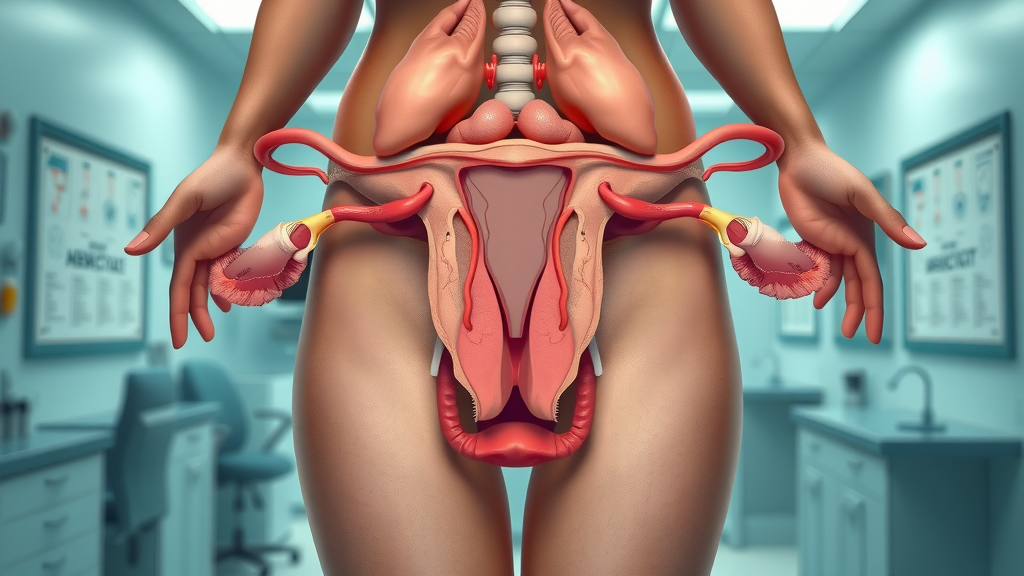
Anatomy: Female Reproductive System Function and Structure
The female reproductive system is composed of several distinct organs: the ovaries, fallopian tubes, uterus, cervix, and vagina. Each organ plays a vital role—not only in ovulation and menstruation, but in hormonal balance and protection from infections. For example, the ovaries release eggs and hormones crucial for menstrual cycles and fertility, while the uterus houses and nourishes a pregnancy.
Understanding how the reproductive organs interact is critical for identifying potential reproductive health issues. The uterine lining thickens and sheds in response to hormonal changes, forming the basis of the menstrual cycle. If interrupted—by infections, hormonal conditions, or structural problems—this delicate balance can result in reproductive health concerns ranging from irregular periods to infertility.
How the Menstrual Cycle Influences Reproductive Health Concerns
The menstrual cycle acts as the body’s internal health barometer. A regular cycle usually reflects optimum hormonal health, while irregularities can signal underlying health issues such as polycystic ovary syndrome or thyroid dysfunction. The uterine lining thickens in preparation for potential pregnancy and sheds during menstruation if no fertilization takes place.
Disruptions in the cycle—including absent periods, excessively heavy bleeding, or extreme cramps—may point to health conditions that warrant further investigation by a health care provider. Recognizing these warning signs empowers women to seek timely care, which can prevent complications and optimize lifelong female reproductive health.
| Aspect | Female Reproductive System | Male Reproductive System |
|---|---|---|
| Key Organs | Ovaries, Fallopian tubes, Uterus, Cervix, Vagina | Testes, Vas deferens, Prostate, Penis |
| Primary Functions | Egg production, hormone regulation, menstruation, pregnancy, childbirth | Sperm production, hormone regulation, semen production, ejaculation |
| Unique Health Issues | PCOS, endometriosis, uterine fibroids, menstrual disorders | Prostate disorders, erectile dysfunction, testicular cancer |
| Cycle/Timing | Menstrual cycle (monthly hormonal cycles, ovulation) | Continuous sperm production (no cyclical hormone shifts) |
Common Reproductive Health Issues Affecting Women
Many women encounter common reproductive health concerns at some point, including PCOS , uterine fibroids, endometriosis, various infections, and menstrual irregularities. Addressing these issues early with support from a qualified health care provider can profoundly improve a woman's quality of life and help preserve fertility. Below, we detail common conditions, their warning signs, and current approaches to prevention or treatment.
Polycystic Ovary Syndrome (PCOS): Causes and Treatments
Polycystic ovary syndrome (PCOS) is a common condition affecting approximately 1 in 10 women of reproductive age. Characterized by hormonal imbalances, PCOS can result in irregular menstrual cycles, excess androgen (male hormone) production, and fluid-filled cysts on the ovaries. Women with PCOS may experience challenges such as weight gain, acne, hair growth, or difficulty conceiving.
Early diagnosis enables better management through lifestyle changes and medical therapies that restore hormonal balance, support regular ovulation, and reduce long-term risks such as diabetes. If you suspect PCOS, consult a qualified health care provider for tailored testing and recommendations.

Understanding Uterine Fibroids: Symptoms and Solutions
Uterine fibroids are non-cancerous growths in the uterus that can cause heavy periods, pelvic pain, or reproductive challenges. While many women have fibroids without symptoms, others may experience pain, pressure, or frequent urination. When left untreated, fibroids can affect overall reproductive health and may contribute to fertility issues or pregnancy complications.
Treatment options range from medication to procedures such as myomectomy or, in severe cases, hysterectomy. Consulting a health care provider ensures the right strategy—tailored to your symptoms and reproductive goals—is put in place. If you are experiencing symptoms suggestive of fibroids, early intervention can make a significant difference.
Sexually Transmitted Infections: Prevention and Female Reproductive Health
Sexually transmitted infections (STIs) are a significant concern for both female and male reproductive health. Common STIs such as chlamydia, gonorrhea, and human papillomavirus (HPV) can negatively affect fertility, cause pelvic inflammatory disease, and, when left untreated, lead to long-term reproductive health issues and complications.
Consistent use of protection, regular screenings, and open dialogue with a health care provider are effective strategies for STI prevention. Many STIs are easily treated when detected early, so prioritizing regular sexual health assessments is an important element of optimal reproductive system care.
- Endometriosis: Occurs when tissue similar to the uterine lining grows outside the uterus, leading to pain and infertility.
- Infertility: Can result from various issues, including ovulation problems, blocked fallopian tubes, or hormonal imbalances.
- Menstrual Irregularities: Skipped periods, heavy bleeding, or unpredictable cycles may signal underlying reproductive health concerns.
Proactive Steps to Safeguard Female Reproductive Health
Being proactive is the key to female reproductive health. The choices women make today shape not only their fertility but their overall health trajectory. From balanced nutrition and physical activity to regular checkups, even small changes can yield big results for hormone regulation and future wellness.
Exploring options with a trusted health care provider and staying informed about risk factors for common reproductive health conditions ensures you have the knowledge to advocate for your own care. Remember, every step you take makes a difference—start small and build healthy habits that last.
Lifestyle Choices: Nutrition and Exercise for Optimal Reproductive Health
Foods rich in vitamins, minerals, and antioxidants help regulate hormones, support a healthy menstrual cycle, and reduce inflammation. Regular exercise, meanwhile, aids in weight management and helps combat insulin resistance—a risk factor in conditions like PCOS. Adopting a balanced lifestyle can directly affect the function of your female reproductive system and reduce the risk of developing chronic health issues.
Incorporating whole grains, lean proteins, fruits, and vegetables, along with daily movement, creates a supportive environment for reproductive wellness. Avoiding tobacco, limiting alcohol, and managing stress—often overlooked—play equally crucial roles in maintaining optimal health.

Why Regular Screenings with Health Care Providers Are Crucial
Partnering with a skilled health care provider throughout your reproductive years enables early detection of problems and ongoing discussion of sensitive information. Annual exams, including Pap smears and STI screenings, help safeguard against reproductive health conditions and ensure issues are caught before they escalate.
Establish a pattern of scheduling regular visits—and don’t hesitate to share concerns with your care provider. They can tailor advice to your unique history, lifestyle, and health goals, providing continuity and peace of mind in your reproductive health journey.
“Empowering women with knowledge about their reproductive system means empowering families and communities as a whole.”
How to Find the Right Health Care Provider for Female Reproductive Health Needs
Choosing the right health care provider directly affects the quality of care, comfort level in discussing reproductive health issues, and treatment outcomes. Look for professionals who listen, encourage questions, and offer evidence-based solutions tailored to your individual needs.
Don’t settle for a one-size-fits-all approach; each woman’s reproductive health journey is unique. Take time to choose a partner in health who aligns with your values and makes you feel empowered.
Evaluating Care Providers: Questions Every Woman Should Ask
- What is your experience with treating common reproductive health conditions like PCOS, uterine fibroids, or endometriosis?
- Do you encourage shared decision-making and provide detailed explanations for recommended treatments?
- How do you maintain privacy and handle sensitive information?
- What is your approach to regular screenings and preventive care for reproductive health?
Asking these questions can help you assess whether a care provider is the right fit for your needs, ensuring open communication and supportive, up-to-date care.
Navigating Health Care Systems for Reproductive Health Support
Health systems can feel overwhelming, but understanding your rights and available resources makes it easier to access the care you deserve. Whether you’re choosing a primary care doctor or a reproductive health specialist, seek out clinics and providers with strong reputations and a focus on women’s wellness.
If you encounter barriers, don't hesitate to ask your care providers for referrals, support, or information about local programs and community resources, especially in public health networks. This proactive attitude ensures no reproductive health concern is left unaddressed.
Essential FAQs About Female Reproductive Health
What is reproductive health in females?
Reproductive health in females refers to the complete physical, mental, and social well-being related to the reproductive system. It involves proper functioning of reproductive organs, regular menstrual cycles, and absence of diseases or disorders affecting fertility, pregnancy, sexual health, and quality of life.
How do you keep your female reproductive system healthy?
Maintain a balanced diet, engage in regular physical activity, visit your health care provider for routine screenings, practice safe sex to prevent sexually transmitted infections, and avoid smoking and excessive alcohol. Listening to your body and addressing concerns promptly ensures your female reproductive system remains in optimal health.
What are the reproductive health issues for females?
Common female reproductive health issues include polycystic ovary syndrome (PCOS), uterine fibroids, endometriosis, menstrual irregularities, sexually transmitted infections, and infertility. Early diagnosis and management by a trusted health care provider can significantly reduce complications and improve outcomes.
What is the most common disease in the female reproductive system?
One of the most common diseases is polycystic ovary syndrome (PCOS), affecting roughly 10% of women of reproductive age. Other prevalent conditions include uterine fibroids and endometriosis, which can impact menstrual cycles, fertility, and day-to-day comfort.
Staying Informed: Evidence-Based Resources for Reproductive Health
Staying current on the latest research and recommendations helps you make informed decisions about your reproductive health. Seek out evidence-based resources, such as peer-reviewed journals, major non-profit and governmental health organizations, and reliable health care provider networks for the latest guidelines.
Top Authoritative Sources for Research and Current Guidelines
- World Health Organization (WHO)
- U.S. Centers for Disease Control and Prevention (CDC)
- American College of Obstetricians and Gynecologists (ACOG)
- Planned Parenthood health information
Recommended Publications, Web Portals, and Support Networks
- WomensHealth.gov
- CDC Reproductive Health Portal
- Books: "Taking Charge of Your Fertility" by Toni Weschler
- Local support groups and online communities focused on reproductive health issues and patient advocacy
-
Checklist to Monitor and Improve Your Female Reproductive Health Journey:
- Track your menstrual cycle and note changes
- Schedule annual reproductive health checkups
- Stay up to date with recommended screenings (Pap smear, STI tests, pelvic exams)
- Eat a nutrient-rich diet and exercise regularly
- Practice safe sex and discuss birth control options with your provider
- Ask questions about family history and risk factors
Practical Steps for a Healthier Female Reproductive System

Daily Habits for Supportive Reproductive Health
Small daily habits create a lasting foundation for reproductive wellness. Hydrate consistently, incorporate plenty of fiber and healthy fats, get restorative sleep, and prioritize stress-reduction practices—such as journaling, meditation, or gentle movement. These routines help regulate menstruation and reduce inflammation linked to several reproductive health issues.
In addition, listening to your body and recognizing subtle changes can prevent more serious health conditions from developing. By journaling or using an app to track mood, symptoms, and cycle changes, you become an active participant and advocate in your female reproductive health journey.
Recognizing When to Seek Health Care Advice
It’s important to reach out to your health care provider when you notice unusual symptoms—such as sudden pelvic pain, missed periods, or unusually heavy bleeding. Early detection and intervention can make all the difference in preventing complications from common reproductive health concerns . No question or symptom is too small when it comes to your reproductive system—your health care providers are there to help.
Don’t let embarrassment stand in the way of seeking timely help; addressing issues early is always the best approach. Regular discussions about sensitive information and recurring concerns keep you and your provider on the same page, supporting your lifelong health goals.
Watch this animated guide for a clear, engaging explanation of female reproductive system anatomy and function. Seek out reputable educational channels on YouTube or ask your health care provider to recommend animated patient resources.
Key Insights to Remember for Lifelong Female Reproductive Health
- Proactive care—regular screenings, routine checkups, and healthy living—protects reproductive health at every age.
- Staying informed and asking questions builds strong relationships with your health care providers.
- Recognizing the signs of common reproductive health issues empowers you to seek early intervention.
- Investing in your reproductive health equals an investment in your overall well-being and future.
“Prioritizing reproductive health is a lifelong investment in a woman’s future.”
Begin Your Female Reproductive Health Journey: Take Action Now
The journey to lifelong wellness begins by taking the first step today. Schedule your annual health check, start a health journal, or consult a trusted health care provider to discuss your questions or concerns. Remember, every choice you make is a step towards healthier living—and a brighter future for yourself and those you love.
Understanding and maintaining female reproductive health is essential for overall well-being. The Centers for Disease Control and Prevention (CDC) provides comprehensive information on common reproductive health concerns, including endometriosis, uterine fibroids, and polycystic ovary syndrome (PCOS). Their resource, “Common Reproductive Health Concerns for Women,” offers detailed insights into these conditions, their symptoms, and available treatments. ( cdc.gov )
Additionally, the CDC’s “Women’s Reproductive Health” page emphasizes the importance of regular screenings, contraception options, and preventive measures to safeguard reproductive health. This resource underscores the significance of proactive care and informed decision-making in managing reproductive wellness. ( cdc.gov )
For those seeking specialized care, the UC Davis Department of Obstetrics and Gynecology offers a range of services tailored to female sexual and reproductive health. Their “Female Sexual and Reproductive Health” page details various conditions, symptoms, and preventive strategies, empowering women to make informed choices about their health. ( health.ucdavis.edu )
By exploring these authoritative resources, you can gain a deeper understanding of female reproductive health and access the tools necessary to make informed decisions. Prioritizing reproductive wellness not only enhances individual health but also contributes to the well-being of families and communities.




Write A Comment