Add Row
Add Element
cropper
update
PractitionersOfHealth - a CapidHouser.com media site
update
Add Element
  • Home
  • Categories
    • dentistry
    • cosmetics
    • opticians
    • physiotherapy
    • chiropractor
    • osteopathy
    • weight loss diets
    • Women's Health
  • Massage Therapy
  • Yoga Therapy
  • diet and nutrition
  • reflexology
  • featured business profiles
  • General Health & Wellness
June 21.2025
2 Minutes Read

Why Cardiovascular Disease Affects Eyewear Choices: Eye Health Insights

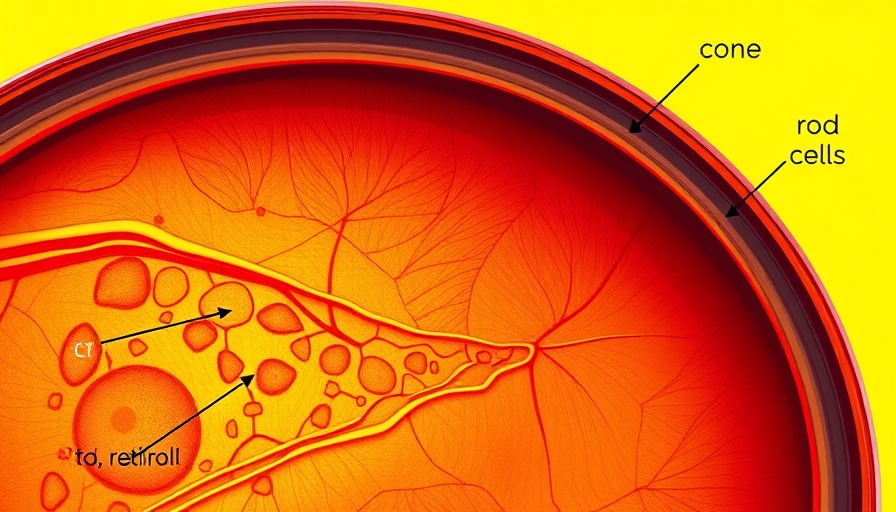
Futuristic glasses showing eye and heart, linking cardiovascular disease and eye health.

Understanding the Connection Between Eye Health and Cardiovascular Disease

Many people may not realize the significant relationship between cardiovascular disease and eye health. As it turns out, conditions affecting your heart, such as hypertension and diabetes, can manifest symptoms in your eyes. These connections are especially pertinent for families seeking comprehensive eye care services for children and elderly parents, as early detection can significantly improve health outcomes.

Why This Matters for Families Seeking Eye Care

For parents looking for the best optician for family eye care, understanding the broader implications of eye health is crucial. Regular eye exams can serve as a gateway to detect underlying cardiovascular issues, allowing you to consult a doctor in time. For example, a top-rated pediatric eye doctor can spot signs of high blood pressure in children, which may otherwise go unnoticed.

Eye Health as a Reflection of Overall Well-being

Families should consider that maintaining eye health isn't isolated from other health practices. Vision tests are not just about seeing clearly; they also inform us of our overall health, including potential risks for older adults. Seniors, who may encounter complex health challenges, benefit from eye care that specializes in detecting conditions like glaucoma and cataracts early. Choosing a best optometrist for elderly parents can ensure regular screenings and appropriate referrals for comprehensive care.

Actionable Steps for Protecting Eye Health

It is essential for families to understand the best practices for eye exams and to schedule regular checkups. For instance, infants should have their first eye screening by age one, while children should have their eye exams every one to two years. Regular visits to an eye care clinic with child-friendly staff can help alleviate any fears kids might have about the process. Having a trusted eye doctor for parents can also ease concerns about routine care.

Final Thoughts on Eye and Heart Health

The health of our eyes can often signal broader health issues, especially concerning cardiovascular conditions. As families search for the best place for pediatric sunglasses or reliable senior ocular disease specialists, it’s vital to keep the connection between eye health and overall well-being in mind. Emphasizing regular checkups and understanding the role of eye exams can empower families to make informed health decisions.

To protect you and your family’s vision, begin by booking an appointment with a local optician who specializes in both pediatric and senior care. By taking proactive steps toward eye health, families can ensure that all members, from kids to grandparents, have the vision care they need.

opticians

4 Views

0 Comments

Write A Comment

*
*
Related Posts All Posts
02.07.2026

How to Combat Brain Fog: Insightful Tips for Families on Eye Health

Update Understanding Brain Fog: More Than Just a Memory LapseBrain fog can feel frustrating and disorienting, manifesting as forgetfulness, slow thinking, and difficulty focusing—especially concerning for seniors and caregivers of aging parents. Beyond simply misplacing your keys or spacing out during conversations, brain fog can signal underlying health issues that affect cognitive clarity. This awareness is crucial, as taking proactive measures can significantly enhance cognitive function and overall quality of life.Healthy Sleep: A Crucial Component for Mental ClarityQuality sleep is one of the most substantial factors in combating brain fog. Inadequate or disrupted sleep can worsen cognitive impairments, making everyday tasks harder. Establishing a night-time routine—like turning off electronic devices an hour before bed and engaging in relaxing activities like reading—can promote better sleep hygiene. For those caring for seniors, encouraging a consistent sleep schedule can yield remarkable improvements in daytime cognitive abilities.The Role of Nutrition in Cognitive FunctionThe foods we consume play a pivotal role in our mental wellness. Incorporating brain foods, such as fatty fish, green leafy vegetables, and nuts, can provide essential nutrients that support brain health. For families considering eye care options or dietary interventions for aging relatives, a diet rich in antioxidants and omega-3 fatty acids will also support visual health, thereby creating a holistic approach to well-being.Exercise: The Hidden Key to Boosting Cognitive FunctionsEngaging in regular aerobic exercise not only enhances physical health but also stimulates cognitive function by improving blood flow to the brain. For seniors, moderate activities like walking or swimming can be invigorating and reduce symptoms of brain fog while promoting eye health by increasing circulation. Encouraging elderly relatives to include physical activity in their daily routines can help maintain mental sharpness.Managing Chronic Conditions: The Impact on Brain FogConditions such as diabetes or chronic fatigue syndrome can exacerbate symptoms of brain fog. These health issues necessitate regular check-ups with healthcare providers to manage blood sugar levels and ensure overall health. For families with senior members, regular monitoring of chronic conditions may help to prevent cognitive decline. Managing health holistically leads not only to better physical health but also mental clarity, ultimately enhancing the overall quality of life.Finding the Right Eye Care Services for Your FamilyRecognizing the connection between brain fog and vision health is vital. Seek the best opticians for family eye care that can offer comprehensive assessments for all ages, providing tailored recommendations to improve both vision and cognitive function. For example, if you're searching for a "top-rated pediatric eye doctor near me", consider exploring local listings and reviews to find a specialized eye care provider. Making informed decisions on eye exams can significantly affect not only sight but brain health too.By taking the necessary steps to manage brain fog through sleep, diet, exercise, and appropriate eye care, families can work toward a healthier, clearer-minded future.

02.01.2026

How TUDCA Can Be a Game Changer in Eye Health Support

Update What is TUDCA and Why Should We Care? Tauroursodeoxycholic acid, or TUDCA, is garnering attention not just in scientific circles but also among those seeking improved eye health. As a naturally occurring bile acid, TUDCA has been a part of traditional Chinese medicine for centuries, valued for its digestive and liver-supporting properties. Its newfound reputation comes from emerging research suggesting it may play a significant role in protecting vision, particularly in conditions like retinitis pigmentosa and diabetic retinopathy. The Science Behind TUDCA and Eye Health When we think about eye health, the conversation often revolves around vitamins, yet research shows TUDCA offers something different—it helps retinal cells withstand stress. Many degenerative eye diseases stem from oxidative stress and cellular damage, leading to the apoptosis (programmed cell death) of critical cells in the retina. TUDCA acts as a "chemical chaperone," assisting these cells by reducing stress and maintaining their function, which is critical as we age. Why TUDCA is Gaining Traction in Eye Care Clinical studies have indicated that TUDCA might slow down the progression of retinal degeneration, making it a promising treatment option for individuals facing progressive eye diseases. As a parent or caregiver seeking the best eye care for our families, understanding TUDCA's potential can guide us in advocating for preventive measures and treatments that protect our loved ones’ vision. Combining TUDCA with Other Eye Health Strategies It's essential to think of TUDCA not as a standalone solution but as part of a comprehensive approach to eye health. For families, this might include a "vision support stack" of antioxidants, vitamins like C and E, and preemptive screenings for eye conditions. A proactive eye care regimen can help mitigate risks, especially for children and seniors who may need tailored eye health strategies. Emerging Trends in Eye Care: Looking to the Future As more studies unfold, we can expect TUDCA to become a key player in discussions about eye health. With the increasing prevalence of eye conditions due to aging populations, the demand for innovative treatments like TUDCA may revolutionize patient care, leading us to explore preventative measures earlier in life. Whether you're concerned about your child's eyesight or ensuring your elderly parents receive the best possible care, TUDCA may become a recommended supplement as part of a holistic eye health strategy. As always, consult with a trusted eye care specialist about incorporating supplements into your family's health routines. Understanding supplements like TUDCA offers families the opportunity to equip themselves with knowledge and resources, empowering proactive decisions and promoting overall wellness.

01.24.2026

Why Vitamin D3 is Essential for Eye Health: Are You Deficient?

Update Uncovering the Importance of Vitamin D3 for Eye HealthVitamin D3, often overshadowed by its reputation as the "bone vitamin," plays a critical role that extends far beyond bone health. Research indicates that this vital nutrient is crucial for maintaining various eye functions, particularly as individuals age. Deficiencies can lead to severe complications that affect not only vision but overall health.The Widespread Vitamin D Deficiency EpidemicShockingly, nearly 42% of adults in the United States have been identified as vitamin D deficient, with even higher numbers in specific populations. Limited sunlight exposure, dietary inadequacies, and indoor lifestyles contribute to this alarming deficiency statistic. Many people overlook the fact that adequate vitamin D is vital for eye conditions like age-related macular degeneration (AMD), glaucoma, and dry eye syndrome.The Link Between Vitamin D and Common Eye DisordersStudies have consistently found correlations between low vitamin D levels and various eye conditions. For example, individuals suffering from dry eye often experience heightened inflammation, which vitamin D can help mitigate. This nutrient does not serve as a standalone treatment but plays a supportive role alongside standard care measures.Vitamin D: A Foundation for Eye HealthFor seniors in particular, maintaining a vital vitamin D level is crucial. The recommended intake increases with age, with the upper limit recommended for supplementation reaching as high as 5,000 IU daily. Regular blood testing for vitamin D status is becoming increasingly important, empowering individuals to take proactive steps towards eye health.Empowering Yourself with Practical Eye Care StepsSo, what can you do to support your eye health through vitamin D? Routine eye checkups are essential, especially for children and seniors who may be more susceptible to vision problems. Ensuring that your family members receive comprehensive eye exams not only identifies potential deficiencies but also addresses any ongoing eye conditions effectively.With a better understanding of vitamin D's role in eye health and regular consultations with qualified eye care specialists, you can enhance overall well-being and ensure that the glasses or contact lenses your loved ones need are provided timely.

Terms of Service

Privacy Policy

Core Modal Title

Sorry, no results found

You Might Find These Articles Interesting

T
Please Check Your Email
We Will Be Following Up Shortly
*
*
*